

Strategic partnerships in crypto are something that almost all of the leading crypto projects have leveraged at some point. Due to the open nature of the crypto market and its communities, projects can build mutually beneficial relationships by collaborating and combining their audiences.
Often, development teams rely on the support of an established crypto marketing agency like Coinpresso to help develop these partnerships and manage the details, which allows them to stay focused on the broader goals of the token, DeFi protocol, or NFT collection.
Partnerships are a core growth lever in crypto because distribution, trust, and adoption are rarely built in isolation. Some partnerships involve two crypto projects working together to expand utility or reach, while others include external Web2 counterparts.
Sui’s partnership with 21Shares, a company that offers cryptocurrency exchange-traded products outside the United States, is a strong example of how these relationships can extend visibility and credibility beyond native crypto audiences.
This guide will help founders, marketers, and business development teams understand how to structure, evaluate, and scale strategic partnerships in crypto, with a clear focus on execution, alignment, and long-term value creation.
The Partnership Mindset: Why “WAGMI” Is a Business Strategy
The “We Are All Gonna Make It” mindset in crypto is, at times, overly optimistic, but it plays an important role in enabling collaboration. It encourages teams to work alongside other teams to help each other improve their products and grow their communities. In practice, this mindset lowers barriers to partnership conversations and creates an environment where shared upside is prioritized over zero-sum competition.
This approach goes far beyond basic co-marketing. Strategic partnerships are not limited to swapping tweets or hosting joint giveaways. The most effective alliances involve product integrations, shared liquidity incentives, or coordinated go-to-market execution that directly impacts usage, retention, and revenue for both parties.
Web3’s open and interoperable architecture makes these partnerships especially powerful compared to Web2. Protocols can integrate permissionlessly, meaning each new partner effectively adds another functional building block to the ecosystem. For example, when a DeFi protocol integrates an oracle, a wallet, and a Layer-2, each partner expands what users can do without rebuilding the core product.
At their best, partnerships are built on shared incentives rather than favors. Long-term alignment ensures both sides remain invested beyond the announcement phase. A strong example is Pudgy Penguins, whose partnership with Sharps Technology focused on integrating NFTs with on-chain treasury strategies, creating sustained value for both ecosystems instead of short-lived promotional gains.
The 5 Pillars of a World-Class Crypto Partnership Strategy
Tier 1: Ecosystem-Defining Partnerships
The first tier of the crypto partnerships strategy defines ecosystems. These are generally in-depth partnerships that require long-term collaboration and rely on several on-chain crossovers between products or protocols. Tier 1 partnerships are rarely quick wins and typically require sustained technical, operational, and strategic coordination from both sides.
These partnerships usually involve deep technical or liquidity integration that directly changes how users interact with a product. A clear example is the integration between Phantom Wallet and Kalshi, which allows users on Solana to access regulated prediction markets directly through the Phantom wallet interface. By embedding market access at the wallet level, users can interact with on-chain assets and real-world event markets without leaving their primary wallet environment.
Tier 1 partnerships also signal long-term strategic alignment with a high impact on product direction and user behavior. In the Phantom and Kalshi case, the integration was not treated as a promotional add-on but as a core feature that expanded what Phantom users could do with their assets. This decision influenced wallet usage patterns, increased engagement, and strengthened Phantom’s role as a central access point for Solana-based activity.
For both partners, the benefits are structural and ongoing. Phantom increases user retention and utility by offering more native functionality, while Kalshi gains consistent access to a crypto-native audience already active on-chain.
This type of partnership illustrates how ecosystem-defining alliances create durable value for both sides through shared infrastructure rather than short-term exposure.
Pillar 2: Exchange and Liquidity Partnerships
This pillar is especially important for new token launches or established tokens looking to grow their liquidity, or during crypto exchange marketing campaigns. A strong exchange or liquidity partnership can be a major driver of market confidence, trading activity, and accessibility. For this reason, exchange and liquidity partnerships are often viewed as the most valuable and competitive partnerships a crypto project can secure.
It is important to understand the difference between exchange listings and liquidity support. A listing on an exchange improves visibility and access, but it does not, on its own, guarantee healthy markets. Liquidity support focuses on ensuring tight spreads, consistent order book depth, and smoother trading conditions, which directly affect user experience and long-term trading activity.
These partnerships can involve centralized exchanges, professional market makers, or both. A common structure is a listing on a major exchange, such as Coinbase, paired with liquidity support from firms like Wintermute or GSR. In recent years, this model has become standard for high-profile launches, as exchanges benefit from active markets while projects gain stability and credibility through consistent liquidity provision.
Pillar 3: Go-to-Market and Growth Partnerships
Growth partnerships come in all shapes and sizes. These are often less long-term and less technically complex, with a stronger focus on expanding the online presence of a project. The core idea is that combining two communities can leave both partners with a larger overall user base, creating a mutually beneficial outcome without requiring deep product integration.
Audience overlap is critical for these partnerships to work. A memecoin partnering with a DeFi protocol, for example, may struggle to deliver meaningful results if the users have different motivations and usage patterns. Successful growth partnerships are built around shared interests, similar user behavior, and a clear reason for both communities to engage.
Common execution formats for go-to-market and growth partnerships include:
Joint AMAs or Twitter Spaces
Co-branded Zealy campaigns
Airdrops distributed across both communities
In many cases, this sort of partnership can be a good place for recently launched projects to deliver a swift boost to their traction.
Pillar 4: Ecosystem and Community Partnerships
This pillar can be very useful for growing an ecosystem, but it generally requires more resources and time than a simple cross-project AMA or airdrop. The tools used under this pillar are typically community-led and can significantly increase trust, credibility, and long-term brand strength when executed correctly.
Common examples include hackathons, DAO collaborations, and grassroots education initiatives. Leading crypto ecosystems such as the Solana Foundation and the Sui Foundation have run highly successful hackathons that attracted developers, generated new applications, and strengthened community engagement. These initiatives do not deliver instant results, but they create durable momentum by aligning builders, users, and ecosystem stakeholders around shared goals.
The correct approach to ecosystem and community partnerships is value-first collaboration. Projects must focus on contributing meaningful resources, support, or education to the community rather than treating these partnerships as promotional channels. When participants feel supported rather than marketed to, trust compounds.

Pillar 5: Corporate and Web2 Partnerships
Corporate and Web2 partnerships are extremely demanding in terms of prerequisites and paperwork, but they can deliver the strongest credibility boost possible for a crypto project. These partnerships often involve a crypto network or DeFi protocol working directly with established names in finance, giving the project recognition from some of the largest and most influential players in the financial industry.
Web2 partnerships require a very different standard compared to native crypto collaborations. Compliance reviews, legal due diligence, brand alignment, and risk assessments are all significantly more rigorous. Projects must demonstrate operational maturity, clear use cases, and professional execution before a Web2 partner is willing to commit resources or reputation.
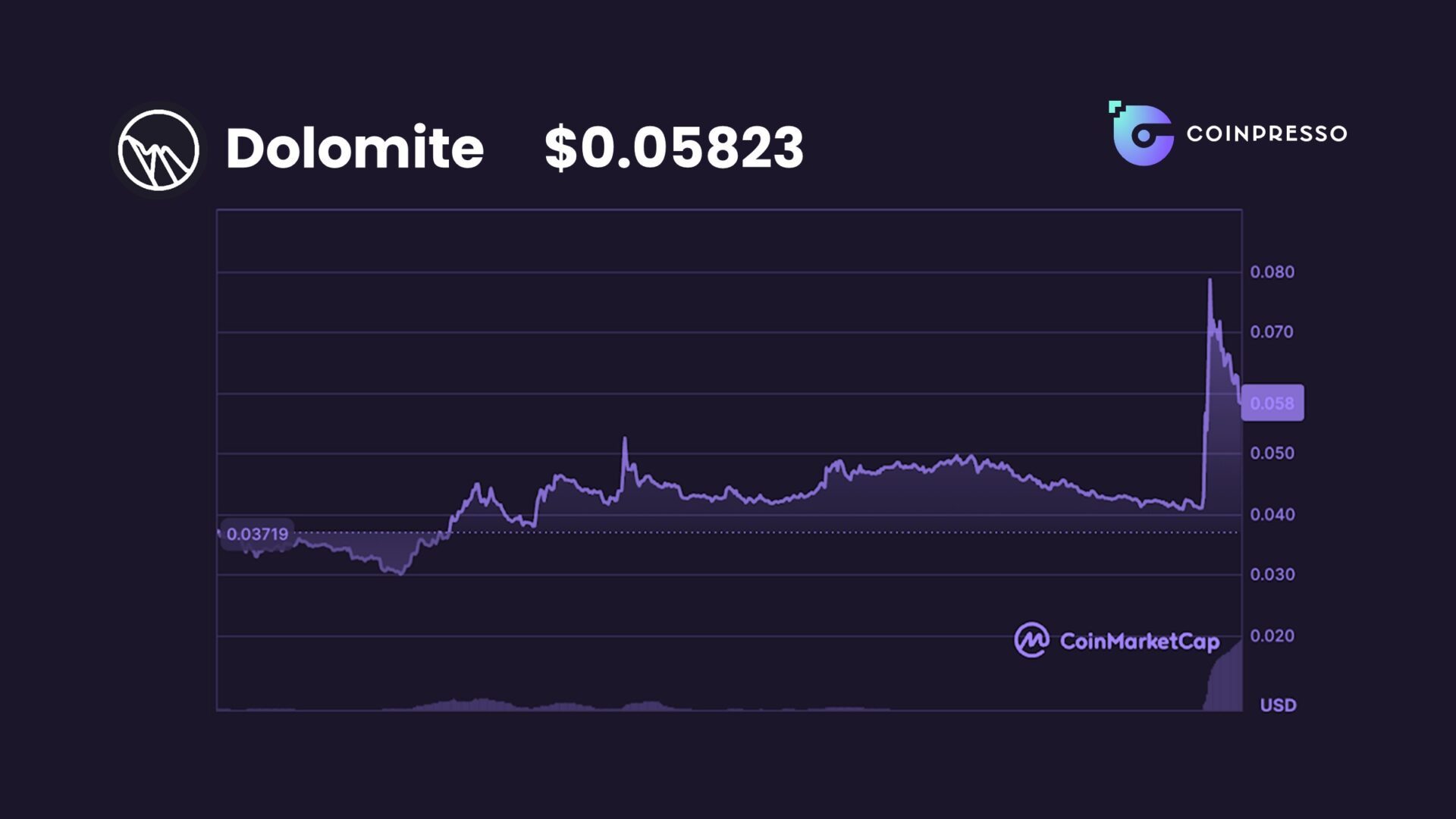
A strong example is the partnership between World Liberty Financial and the DeFi protocol Dolomite, which enabled users to supply and borrow digital assets on-chain, starting with USD1 as the primary asset. Following the announcement, the DOLO token rallied by nearly 60%, highlighting how impactful these partnerships can be when credibility and utility align.
While these partnerships can fundamentally change a project’s trajectory, they require extensive business development work, long-term planning, and internal coordination. Teams must be prepared for lengthy negotiation cycles and ongoing relationship management to fully realize the benefits.
The Partnership Playbook: From First Contact to Public Announcement
Step 1: The Partner Persona Document
Every development team would love to see their token chart surge like DOLO after its partnership with World Liberty Financial was announced, but to reach that point, a few foundational steps must be followed. Successful partnerships are rarely accidental and are usually the result of deliberate preparation and internal clarity.
The first asset a team should create is a partner persona document. This document defines the ideal partner for each partnership pillar by outlining the attributes that matter most. These typically include the partner’s size, the relevance and quality of their audience, and overall technical fit.
When these elements are clearly defined, teams can focus their outreach on partners that align with their product, resources, and growth objectives rather than pursuing partnerships that look impressive but deliver limited real value.
Step 2: The Art of the Warm Intro
Cold outreach is a thing of the past. Leading Web2 and Web3 projects receive countless unsolicited partnership messages every single day, and they are rarely answered. A warm introduction is therefore almost always required, which means teams must build real networks within the industry and leverage those relationships to secure the first introduction.
Investors, advisors, and fellow founders are often the most effective connectors. These individuals already have established trust with potential partners and can frame an introduction in a way that immediately signals credibility and relevance. When used correctly, these connections can shorten sales cycles and open doors that cold messages never will.
Over time, strong business development leverage is built through relationships rather than transactions. Showing up consistently, sharing insights, and offering value without immediate expectations positions a team as a serious long-term player.
This process is rarely quick. Building a network that delivers warm introductions requires consistency, patience, and genuine interest in the industry. Teams that treat relationship building as an ongoing effort, rather than a one-off task.
Step 3: The First Call and the Mutual Win Proposal
The first contact and conversation about a partnership should be used to build a relationship before moving into the details of the collaboration and how it is designed to benefit both parties involved. Rushing into proposals without establishing rapport often signals a transactional mindset and weakens trust from the outset.
A discovery-first conversation structure is essential. The initial call should focus on asking questions, understanding the partner’s priorities, and learning how they measure success. This approach positions the discussion as collaborative rather than sales-driven and helps uncover areas of natural alignment.
Understanding partner goals before pitching is critical. If the other side cannot clearly see how the partnership benefits them as much as it benefits you, the conversation is unlikely to progress. Teams need to articulate value from the partner’s perspective, not just their own roadmap or needs.
Once the mutual benefits and high-level details are clear, it becomes much easier to frame shared outcomes. Aligning on what success looks like for both parties creates a strong foundation before moving into the specifics of deal structure, timelines, and execution.
Step 4: Structuring the Deal
This is the preliminary stage of a partnership, and it needs to be handled with the utmost care and caution, as it involves getting the exact details and plans documented and agreed upon.
Key elements to structure during this stage include:
Goals: For example, driving increased on-chain usage or expanding into a new user segment
Responsibilities: Clear ownership of integrations, content, and campaign execution
Timelines: A defined rollout, such as a four-week integration phase followed by a two-week co-marketing launch
Success metrics: Measurable outcomes like a 20 percent increase in referral traffic or a set number of new active users sourced from the partner’s community
This level of clarity ensures both sides remain aligned throughout execution and prevents potential disputes further down the road.
Step 5: The Co-Marketing Launch Plan
This is the big moment. All the outreach, back-and-forth planning, revisions, and paperwork are finally ready to be put into practice. Even if everything has been executed perfectly up until this point, a poorly coordinated launch can cause significant damage, which is why it is critical that both partners execute the final step precisely and in sync.
There are several ways to approach a partnership announcement, but the most effective strategy is to leverage multiple crypto marketing channels at the same time. Relying on a single touchpoint limits reach, while a coordinated launch across platforms reinforces legitimacy and visibility.
High-quality written content plays a central role in this phase. Co-branded blog posts written by experienced crypto copywriting teams should be paired with structured crypto press release distribution to leading crypto and financial media outlets. This combination ensures both narrative control and broad exposure beyond existing communities.
Synchronized social posts, particularly on X, are equally important. Timing posts within the same window amplifies reach and prevents mixed messaging. Complementing this with a joint AMA or Space allows both teams to explain the partnership in detail, answer questions in real time, and convert attention into active engagement.
When executed correctly, a coordinated co-marketing launch turns a strategic partnership in crypto from a carefully detailed plan into a potentially massive milestone for any crypto project.
Final Thoughts on Building Strategic Partnerships in Crypto
Successful strategic partnerships in crypto are arguably one of the most valuable forms of marketing in the industry. Partnerships can range from short-term collaborations between similar projects to large-scale deals involving Web2 and Web3 leaders alongside newly launched crypto projects. The steps outlined in this article provide a guideline for how to develop and launch a successful partnership. For many teams, managing this process while building the product itself is too resource-intensive, which is why they collaborate with agencies like Coinpresso to develop and deploy their partnerships.
Frequently Asked Questions
How do I get partnerships if my project is brand new?
Early-stage projects should focus on smaller, high-alignment partners rather than chasing large names. Clear value, a defined audience, and realistic execution plans matter more than size.
Should I pay for partnerships?
Paying for exposure is not a partnership. Strategic partnerships should be based on mutual value, shared incentives, and clear outcomes, not one-sided transactions.
What’s the most important part of a partnership pitch?
Understanding the partner’s goals. If you cannot clearly explain how the partnership benefits them, the pitch will not progress.
How do I handle a partnership that isn’t working out?
Revisit agreed goals and metrics first. If alignment is no longer there, communicate clearly and disengage professionally without damaging the relationship.
Who on my team should be responsible for partnerships?
Partnerships should be owned by a dedicated business development lead with support from marketing and technical teams when required.


