

GameFi is the part of crypto gaming where the game and the money are tied together on purpose. Players earn tokens, trade items for real value and sometimes vote on how the game is run. In 2021 it was sold as a new way to make a living. By 2022 most of those economies had collapsed. This guide explains how GameFi works, where the money in a play-to-earn game really comes from, and how to judge a project before you put anything into it.
Risk note: GameFi tokens and NFTs are highly speculative and many have lost almost all of their value. Nothing here is financial or investment advice. Never spend money you can’t afford to lose, and be sceptical of any game that promises steady earnings.
GameFi, defined
GameFi is short for “game finance”. It describes games where financial mechanics that come from decentralised finance, such as tradable tokens, open marketplaces, staking and governance votes, are built into the game itself. If web3 gaming is about recording in-game items on a blockchain, GameFi is about giving those items and the game’s currency a market price, and paying players in them.
Play-to-earn is the best-known GameFi model: you play, you receive tokens, and you can sell those tokens for other crypto or cash. Exchange learning centres such as Binance Academy and Chainlink’s education hub use the term in the same broad way.
The building blocks of a GameFi economy
Almost every GameFi project is assembled from the same five parts. Once you can spot them, you can read any new game’s design quickly.
| Part | What it does | Axie Infinity example |
|---|---|---|
| Reward token | Paid out for playing; high supply, meant to be spent in the game | SLP (Smooth Love Potion) |
| Governance or premium token | Limited supply; used for votes, staking or premium actions | AXS (Axie Infinity Shards) |
| NFT assets | Characters, land or items you need to play or earn | Axies, the creatures you battle with |
| Marketplace | Where players buy and sell assets, often with a fee to the studio | The Axie marketplace |
| Sinks | Things that consume tokens (crafting, breeding, upgrades, fees) | Breeding new Axies cost SLP and AXS |
The split between a reward token and a governance token is the most common design. The idea is to keep the everyday currency separate from the one that holds long-term value. In practice, the reward token is usually the one under the most pressure, because players earn it every day and many of them sell it straight away.
Where the money in a play-to-earn game really comes from
This is the single most important question in GameFi, and it is often left out of the marketing. When a game pays you tokens that you can sell, somebody on the other side has to buy them. There are only a few possible sources for that money:
- New players buying in. If you need NFTs to start earning, new players buy them from existing players or the studio.
- Speculators buying tokens because they expect the price to rise.
- The studio’s treasury, funded by investors or earlier token sales, which can subsidise rewards for a while.
- Players spending for fun on cosmetics, upgrades or entry fees, the same way people spend in normal games.
Only the last one is sustainable. The first three work while the game is growing and stop when it isn’t. Economists who study game economies describe this as a balance of “faucets” (where currency enters) and “sinks” (where it leaves). If the faucets pay out more than the sinks and real spending absorb, the currency loses value. That is not a flaw in one game; it is arithmetic.
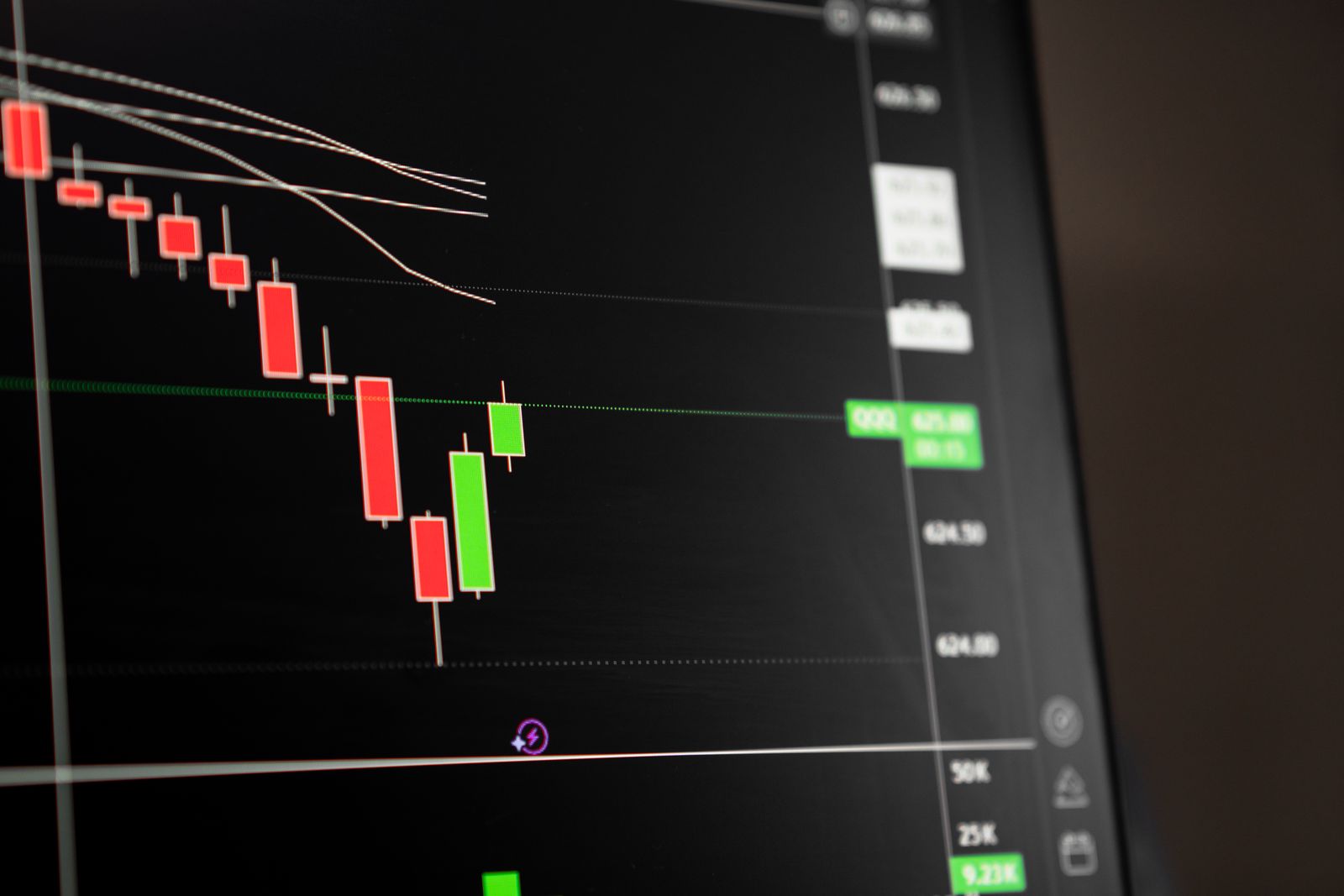
The GameFi death spiral, step by step
Most failed play-to-earn economies followed the same sequence:
- Token prices rise, so earnings look high and word spreads.
- New players rush in and buy the NFTs needed to start, pushing asset prices up further.
- More players means more reward tokens being created every day.
- Many players play to earn, not for fun, so they sell rewards immediately.
- Sell pressure outgrows demand, and the reward token’s price starts to fall.
- Earnings drop, fewer new players join, and the NFTs needed to start lose value.
- Existing players leave to cut losses, selling more tokens and assets on the way out.
Studios can slow this down by cutting rewards or adding new sinks, but each fix makes earning less attractive, which removes the reason many players joined.
Case study: Axie Infinity
Axie Infinity is the clearest example because it was the biggest. In early 2020, Sky Mavis estimated that a new player needed to spend around $400 on three Axies to start. During the pandemic, the game became a source of income for many people in the Philippines, and “scholarship” arrangements appeared in which owners lent their Axies to players and took a share of what they earned. The Verge reported that those commissions could reach 75%.
The economy then did exactly what the death spiral predicts. SLP, the reward token, lost more than 99% of its peak value during the 2022 crypto crash. In March 2022 the Ronin bridge used by the game was hacked for about $620 million. Reuters reported in April 2023 that average daily players had fallen from a peak of 2.7 million to roughly 250,000. The details are summarised, with sources, on Axie Infinity’s Wikipedia page.
The lesson isn’t that one team got it wrong. It is that an economy where most players are there to withdraw money needs a constant flow of new deposits, and that flow always stops eventually. We cover which games have tried different approaches since then in our guide to play-to-earn crypto games.
How to judge a GameFi project in ten minutes

Before you buy a token or an NFT, run through these questions. You won’t always get clear answers, and that in itself tells you something.
- Would you play it with the rewards switched off? If the honest answer is no, you are not a player, you are a liquidity source for someone else’s exit.
- Where does the yield come from? Look for real spending by players (cosmetics, passes, entry fees). If the only answer is “new players” or “the treasury”, the rewards are temporary.
- What is the token supply and unlock schedule? Large amounts of tokens held by early investors and unlocking over the next months can mean heavy selling ahead.
- Are there real sinks? Count the ways tokens get used up. A game with many ways to earn and few ways to spend will inflate.
- How much does it cost to start? A high entry price for NFTs usually means you are betting on resale value, not buying a game.
- Who is behind it, and has the code been audited? Anonymous teams and unaudited contracts raise the chance of a rug pull or exploit.
- What chain and bridge does it rely on? The Ronin hack showed that the infrastructure around a game can fail even if the game itself is fine.
- Can you actually sell? Check trading volume. A token with little liquidity can be impossible to exit at the price you see.
- Any classic red flags? Guaranteed daily returns, bonuses for recruiting friends, pressure to join a “presale before listing” and countdown timers are warning signs.
If after all that you still want to buy a gaming token, the gaming crypto coins guide explains what the major tokens are used for, and our exchange comparison for gaming tokens covers where they trade.
GameFi vs web3 gaming vs play-to-earn
The three terms are used loosely, and often interchangeably, but they describe different layers:
- Web3 gaming is the widest term: any game that records assets on a blockchain.
- GameFi is the financial layer: tokens, markets, staking and governance built into a game.
- Play-to-earn is one GameFi business model, where the main promise is that players get paid.
Since 2022, many studios have moved away from the play-to-earn label toward “play-and-own”, where tradable items are a bonus rather than a salary. That shift is a direct response to the problems described above.
Taxes and legal status
Tokens earned in a game are not free money in the eyes of most tax authorities. In the US, the IRS treats digital assets as property and explains how income and sales are reported on its digital assets page. The Philippines’ Department of Finance also stated that income from playing Axie Infinity is taxable. Rules differ by country, and some jurisdictions restrict crypto trading altogether, so check locally and keep a record of what you earn and sell.
GameFi FAQ
Can you still make money with GameFi?
Some players do, usually early in a game’s life or by trading well. For most people, earnings are small, unpredictable and can reverse quickly. Treat anything you earn as a bonus, not an income.
Is GameFi a scam?
Not by definition. GameFi is a design approach, and some teams use it honestly. But the model attracts projects that rely on new money to pay existing players, and those behave like a pyramid regardless of intent. The questions in the checklist above help you tell the difference.
What’s the difference between a reward token and a governance token?
A reward token is the everyday currency players earn and spend, usually with a large and growing supply. A governance token has a limited supply and is used for votes, staking or premium actions. Reward tokens tend to lose value faster because they are created continuously.
Do I need to buy NFTs to play GameFi games?
Many early games required it. Newer ones often let you start free and only ask you to buy if you want to trade or reach certain features. If a game asks for a large purchase before you can even try it, be careful.